Our Scientific Advisory Board curates the programme and upholds the rigour of every session.
 Advisory
Scientific Advisory Board
Africa CDC
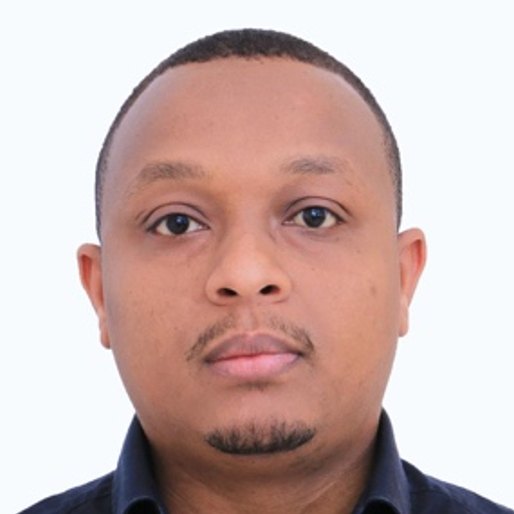
Dr Kakunze holds a Medical Doctor degree from the University of Burundi and a Master in Public Health from Peking University with a decade of clinical and public health experience at national and continental level. He has been working with Africa CDC since November 2018, initially as Public Health Officer in the Office of the Director till September 2020. Since September 2020, he is the Lead for Non-communicable diseases (NCDs), Injuries and Mental Health in the Division of Disease Control and Prevention. Notable achievements include the development of the Africa CDC strategy on NCDs, Injuries and Mental health validated by Member States in April 2022 and published in high-level peer reviewed journal, the design, negotiation and successful launch of the Africa CDC Mental Health Leadership Programme, the AU/Africa CDC Multisectoral Taskforce on NCDs, Injuries and Mental health, the integration of mental health and psycho-social support in Africa CDC’s emergency and preparedness work, the SPARK-NCDs programme to support Member States to strengthen governance, improve surveillance and build capacity for the prevention and control of NCDs, Injuries and Mental ill-health. Dr Kakunze is an International Visitor Leadership Programme alumnus, and other prestigious international and regional programmes.
 Advisory
Scientific Advisory Board
Université Alassane Ouattara, Côte d’Ivoire
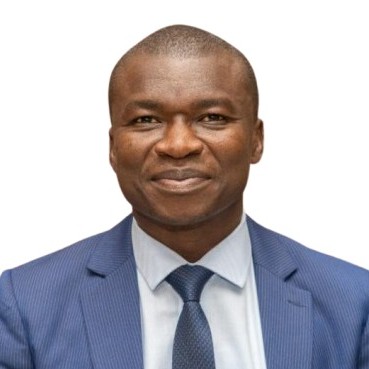
Prof. KOUA Asseman Médard, est Professeur Titulaire de Psychiatrie à l’UFR Sciences Médicales de l’Université Alassane OUATTARA en Côte d’Ivoire et ancien boursier du prestigieux programme de Leadership en santé publique mondiale de Kofi Annan.
Directeur Coordonnateur du Programme National de la Santé Mentale au Ministère de la Santé, de l’Hygiène Publique et de la Couverture de la Maladie Universelle en Côte d’Ivoire et Directeur du programme du cours francophone de leadership en santé mentale publique pour l’Afrique de l’Ouest et du Centre avec Africa CDC.
Fort d’une expérience clinique de plus de 20 ans, il a conduit des reformes en matière de soins de santé mentale primaire à assise communautaire fondés sur les droits en collaboration avec les guérisseurs traditionnels et religieux en milieu rural et périurbain dans plus Côte d’Ivoire.
Il apporte son expertise à la conception et à la mise en œuvre de plusieurs projets de santé mentale sensibles dans des pays d’Afrique francophone et auprès de plusieurs agences et organisations nationales et internationales
Ses recherches et initiatives portent sur la psychiatrie communautaire, la santé mentale publique et l’innovation digitale.
Il se définit comme un universitaire pragmatique, qui se nourrit du terrain pour influencer les réformes politiques, les systèmes et services de santé mentale et soutien psychosocial au niveau sanitaire à travers la couverture sanitaire universelle et multisectoriel en Afrique.
 Advisory
Scientific Advisory Board
WHO Regional Office for Africa
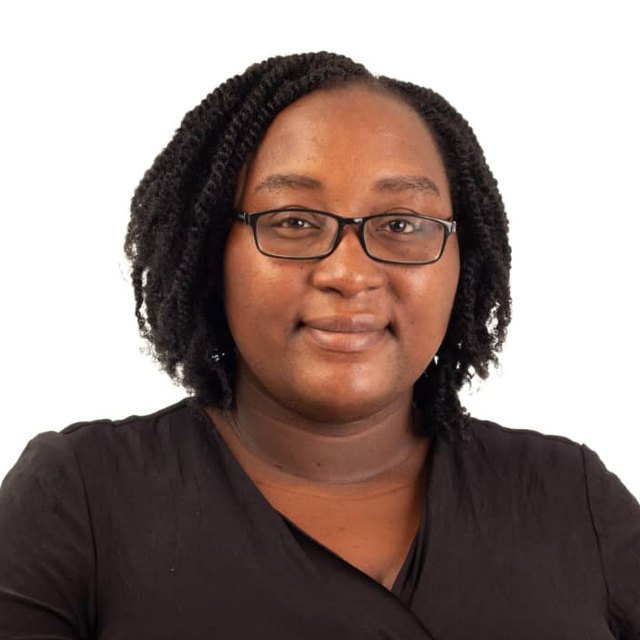
Dr. Chido Rwafa-Madzvamutse is a consultant psychiatrist and public mental health specialist and currently serving as a Mental Health Regional Advisor at the WHO Regional Office for Africa supporting African countries to strengthen mental health systems. She is a keen advocate for mental health, promoting greater awareness about mental health and wellbeing at individual, family, community, organization and policy maker level.
 Advisory
Scientific Advisory Board
Friendship Bench
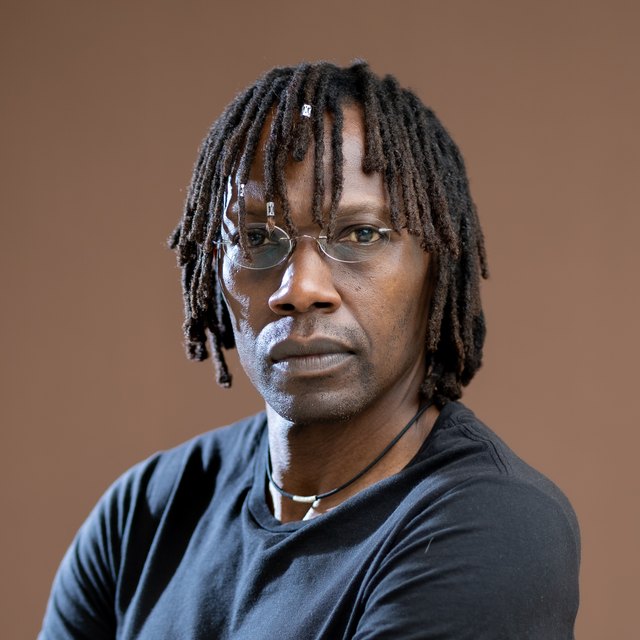
Dixon Chibanda is the founder and CEO of the Friendship Bench. He is a professor of psychiatry & Global Mental Health and the Director of the African Mental Health Initiative (AMARI). Dixon started the Friendship Bench in one of Harare’s townships called Mbare in 2006 and conceptualized the first Friendship Bench which has now been refined and adapted in all the 10 provinces of Zimbabwe, and replicated in over 10 countries. He now leads the team to scale it up across the globe. He is one of the founding members of Coalition for Scaling Mental Health which aims to close the mental health care gap across the world. He has been for over a decade a key player in bringing the various stakeholders from local health authorities, health professionals, national and international researchers, and donors together to form successful collaborations. In his role as PI on several research projects, he has led the Friendship Bench team through the rigorous exercise of randomized control trials (RCT) which have consistently showed evidence for the intervention’s effectiveness. The effectiveness of the Friendship Bench is highlighted in a seminal cluster randomized controlled trial published in JAMA. In addition, over 100 peer-reviewed scientific publications of the program are accessible online. As a practising medical doctor, professor in psychiatry & global mental health at the University of Zimbabwe and The London School of Hygiene & Tropical Medicine, Dixon has explored the intersection of indigenous knowledge and western models of care to develop sustainable interventions in global health. His TED talk on why he trains grandmothers to treat depression describes the journey of the Friendship Bench.
 Advisory
Scientific Advisory Board
aves Mental Health
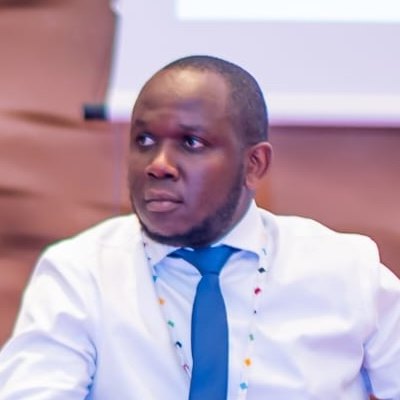
Edwin Mutura is the Communications and Services Officer at aves Mental Health, reporting to the Deputy CEO within the Experts by Experience Consultancy department. He has extensive experience in global mental health research, advocacy, and the evaluation of projects focused on improving mental health services. Edwin currently co-leads an implementation science project that evaluates the impact of lived experience involvement across a selection of Wellcome Trust-funded mental health projects. His work focuses on meaningfully embedding lived experience in research, policy, and practice to improve global mental health outcomes.
A Certified ADHD Executive Function Coach (IAOTH), Group Peer Support (GPS) Certified Facilitator and Trainer, and Lived Experience Expert, Edwin combines lived experience with professional expertise to advance inclusion, equity, and meaningful participation in mental health systems. He has contributed to national and global advocacy initiatives with organisations such as Time to Change (UK) and Basic Needs Basic Rights Kenya, amplifying the lived experience perspective in mental health reform.
Edwin brings over 10 years of professional experience in accounting and finance to his mental health work, offering a unique combination of financial insight and lived experience expertise. This background informs his approach to programme evaluation, accountability, and structural change.
Edwin has co-authored several publications addressing stigma, workplace mental health, and the lived experience of mental health conditions. His most recent contributions include the Lancet Commission on Ending Stigma and Discrimination in Mental Health, The Experience of Depression in Diverse Contexts in the World Psychiatry Journal, and Putting Science to Work: Where Next for Workplace Mental Health, published by the Wellcome Trust.
 Advisory
Scientific Advisory Board
APHRC, Nairobi
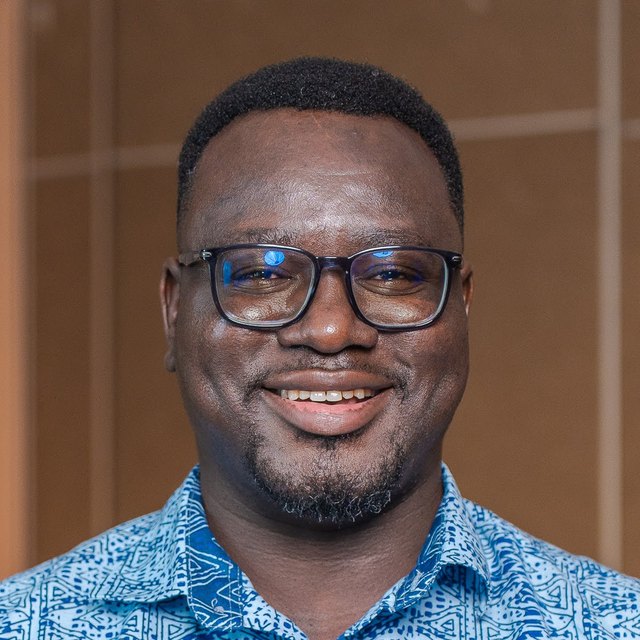
Dr. Frederick Wekesah is an epidemiologist and Associate Research Scientist at the African Population and Health Research Center in Nairobi, focusing on child and adolescent mental health. He has led studies on how gratitude, kindness, and hope shape young people’s mental well-being; a landscape analysis of catalysts for change in youth mental health across Africa, with deep dives in Senegal and Sierra Leone; and a study on mental health designed and run with youth researchers in Kenya, Rwanda, and South Africa.
He was a co-investigator on the Kenya National Adolescent Mental Health Survey, which set a baseline for youth mental health burden and drivers, and on two Wellcome-funded projects on climate and mental health. He is a core team member of the Wellcome Mental Health Data Prize – Africa, which awards African multidisciplinary teams to develop data-driven solutions for anxiety, depression, and psychosis. He has helped Nairobi City and Kwale Counties develop their first mental health strategic action plans.
A Harvard Bernard Lown Cardiovascular Disease Program Scholar and Africa Oxford Initiative (AfOx) Visiting Fellow, he holds a PhD in Epidemiology from Utrecht University.
 Advisory
Scientific Advisory Board
Twogere Centre for Mental Health
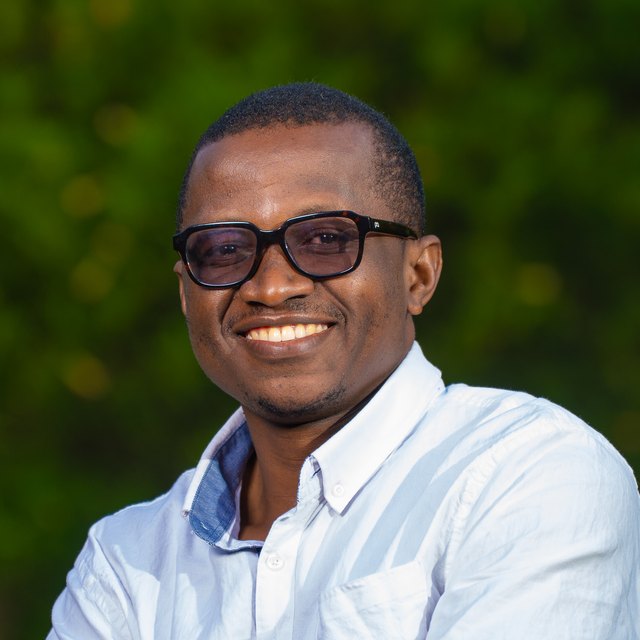
Godfrey is the Founder and Executive Director of Twogere, a not-for-profit organization focused on closing the youth mental healthcare access gap. He works at the intersection of mental health and lived experience leadership, driving systemic policy reforms and pioneering models that ensure those directly affected by mental health conditions are the primary architects of the programs that serve them.
He has served in staff leadership positions, on boards, and on advisory committees for organizations of all sizes from small grassroots nonprofits to large international organizations.
 Advisory
Scientific Advisory Board
Integrative Wellbeing
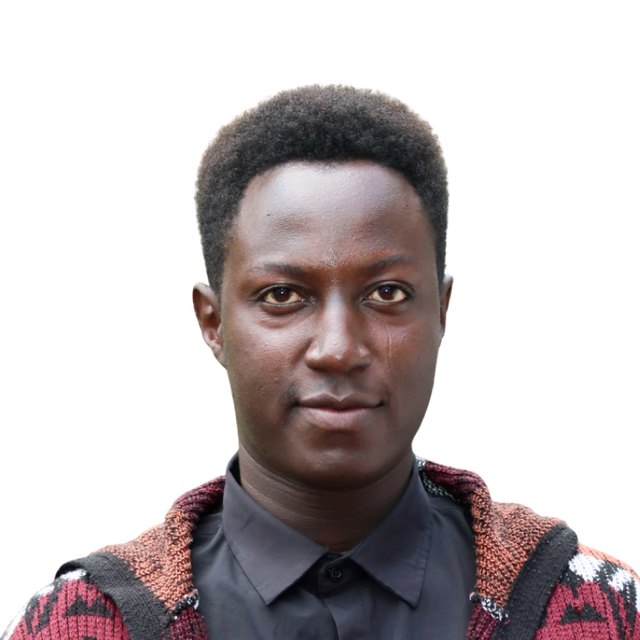
Judah Njoroge is a youth leader and social innovator working at the intersection of mental health, community wellbeing, and climate action across Africa. He is the founder of Integrative Wellbeing, a youth-led initiative that designs and delivers community-based programs supporting emotional resilience, social connection, and systems-informed approaches to mental health. He also serves as Youth Programmes Lead at The Resilience Project, where he contributes to the design and implementation of initiatives that strengthen youth leadership and adaptive capacity in response to social and environmental challenges.
His work focuses on shifting how wellbeing is understood and practiced, moving beyond individual-level interventions to address the structural and social drivers of distress, particularly among young people. Through partnerships with local organizations, global networks, and public institutions, Judah has supported the development of scalable models that integrate mental health into education, climate engagement, and civic participation.
Judah is an alumnus of the Community Solutions Program and continues to collaborate internationally on initiatives that bridge research, policy, and practice. He is particularly interested in how youth-led approaches can inform public systems and contribute to more inclusive, preventative models of care.
 Advisory
Scientific Advisory Board
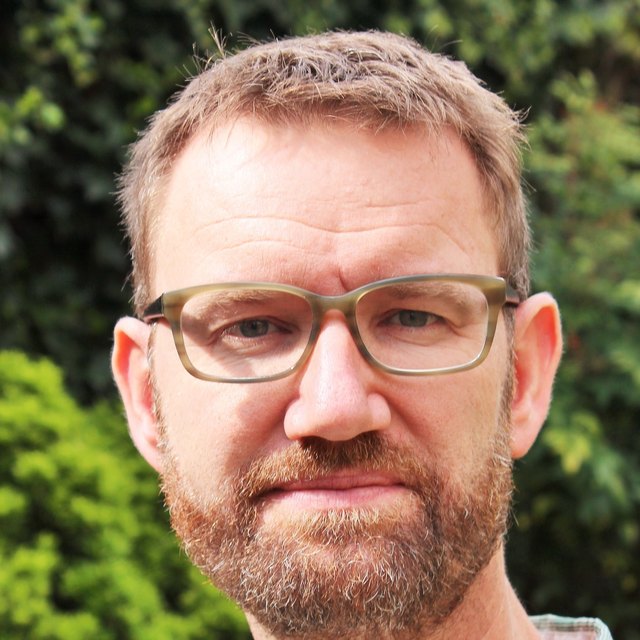
Liverpool School of Tropical Medicine
Julian Eaton is a public health psychiatrist and Professor in Global Mental Health at Liverpool School of Tropical Medicine. He works in international development and health, conducting research on strengthening mental health systems in low resourced settings, strengthening resilience in humanitarian emergencies, and the intersection of mental health and climate change, and with Neglected Tropical Diseases. He was a Commissioner for the Lancet Commission on Global Mental Health, has supported WHO and other international agencies with a number of key guidelines, and is chair of the WHO Skin NTD Psychosocial Group.
He was born and raised in DR Congo, and lived in West Africa between 2003 and 2017, where he worked on improving mental health services, stigma reduction, policy reform, and addressing human rights abuse. He is now based in the UK.
 Advisory
Scientific Advisory Board
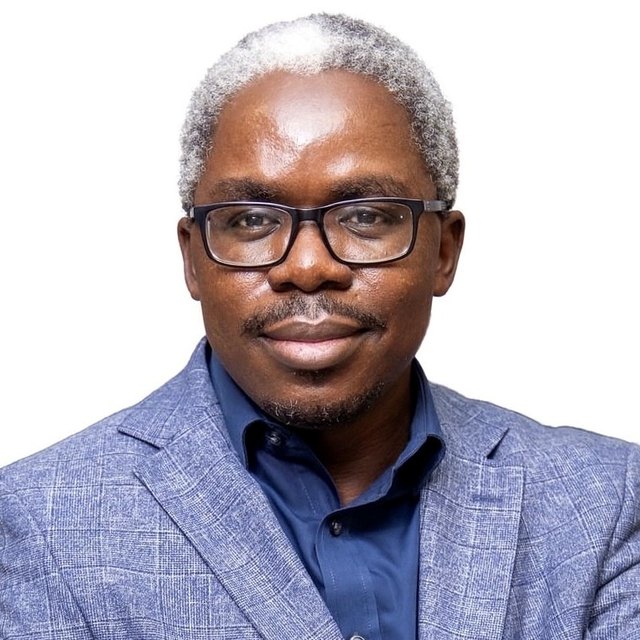
Aga Khan University
Prof. Lukoye Atwoli is Professor of Psychiatry and Dean of the Aga Khan University Medical College, East Africa. He is Deputy Director of the Brain and Mind Institute at Aga Khan University, a practicing psychiatrist at Aga Khan University Hospital in Nairobi, and an Honorary Professor in the Department of Psychiatry and Mental Health at the University of Cape Town.
His research focuses on the epidemiology of trauma and post-traumatic stress disorder (PTSD), the genetics of mental disorders, children’s and youth mental health, and HIV and mental health. He is a member of the World Mental Health Surveys Consortium, which conducts cross-national psychiatric epidemiological research to inform mental health policy and practice.
Prof. Atwoli holds key leadership roles, including Vice-President of the World Psychiatric Association’s Section on Epidemiology and Public Health, Chairperson of the Board of Mathari National Teaching and Referral Hospital, Kenya’s only specialised mental health facility, and Director of the African College of Neuropsychopharmacology (AfCNP) School. He has previously served as President of the African College of Neuropsychopharmacology and Secretary-General of the African Association of Psychiatrists among other leadership roles.
A committed mental health advocate, Prof. Atwoli champions mental health rights and equitable access to mental health services, particularly for disadvantaged and marginalised communities, and has influenced mental health policies and programmes in Kenya and internationally. His contributions have earned him international recognition, including designation as an International Distinguished Fellow of the American Psychiatric Association (IDFAPA), Fellow of the African Academy of Sciences (FAAS), Kenya’s Moran of the Order of the Burning Spear (M.B.S.), and election as an International Member of the US National Academy of Medicine.
 Advisory
Scientific Advisory Board
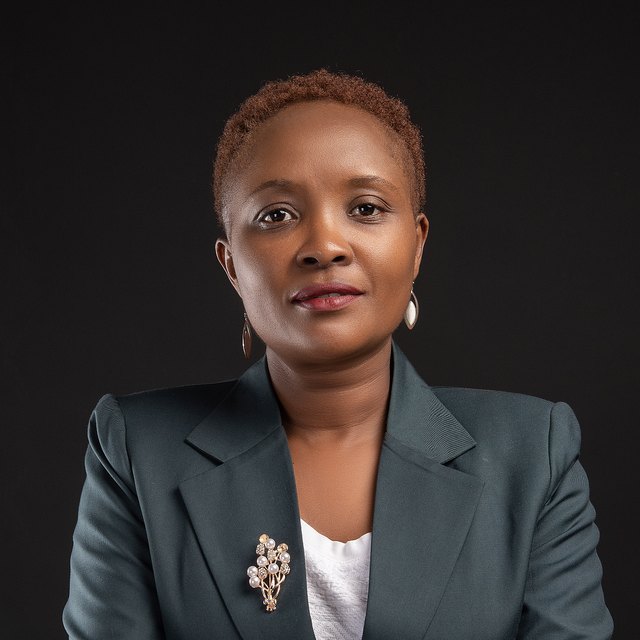
Ministry of Health, Kenya
Dr. Mercy Karanja is a Consultant Psychiatrist and Head of the Division of Mental Health at Kenya’s Ministry of Health. She also serves as Secretary to the Kenya Board of Mental Health, is the Immediate Past President of the Kenya Psychiatric Association, and sits on the Board of NACADA, representing the Kenya Medical Practitioners and Dentists Council.
With more than 20 years’ experience in medicine, including 15 years in mental health, she has worked across clinical care, policy and programme development, governance, capacity building, and health-systems strengthening. She previously served for over a decade at Mathari National Teaching and Referral Hospital in clinical and senior management roles.
Her work focuses on suicide prevention, mental health promotion, substance-use prevention and care, and the integration of accessible, rights-based mental health services into primary healthcare and community systems.
 Advisory
Scientific Advisory Board
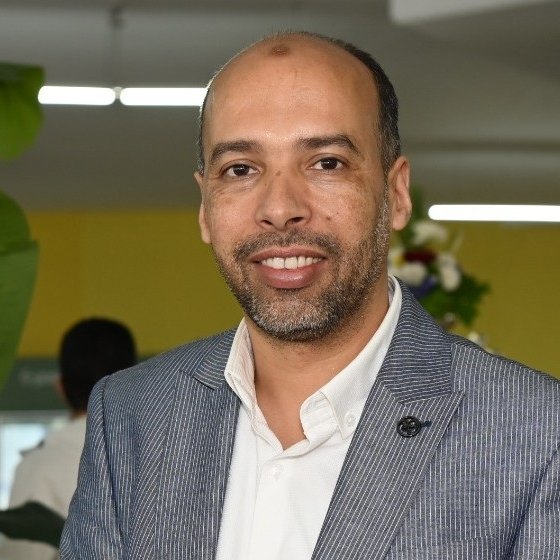
UM6SS, Morocco
Mohamed Khalis is Professor of Epidemiology & Public Health. Currently, he is the Director of the Epidemiology and Public Health Department at the Mohamed VI Center of Research and Innovation, University Mohammed VI of Sciences and Health, Morocco. He is an alumnus of the Fulbright program at the City University of New York, School of Medicine, USA. Over the past twelve years, Dr. Khalis has led and coordinated numerous research projects, in collaboration with national, regional, and international partners. He was the PI in several national and international mental health related research projects. He was the principal investigator of project “Landscape Analysis of Youth Mental Health in Morocco” funded by GCC. He is also a member in the UM6SS-WHO Knowledge for Health Policies Center at the Mohammed VI University of Health and Sciences. His research has been published in different top-ranking American and European journals. His research mentoring experience includes working with medical, nurse, and public health students and trainees from Morocco, Europe, and the United States. His teaching experience includes academic courses on several health-related topics, such as epidemiology, biostatistics, and public health.
 Advisory
Scientific Advisory Board
NOUSPR · PANPPD
Rose Umutesi is a highly experienced and dedicated leader with over 19 years of progressive leadership in national and regional non-governmental organizations. She is the Chairperson of NOUSPR (National Organization of Users and Survivors of Psychiatry in Rwanda), Chair of the Pan-African Network of People with Psychosocial Disabilities (PANPPD), and Co-opt of the mental health in Executive board of Common wealth disabled peoples forum (CDPF). She is also a steering committee member of the Africa CDC Mental Health Leadership Program. She is with other Executive committee of World network for user and survivors of psychiatry.
Rose brings a strong background in fundraising, grant writing, strategic planning, and financial management, having successfully led programs and institutions across various sectors. She previously held management positions at Banque Populaire in Nyagatare District as Bank manager, and played key roles at both NUDOR and PANPPD.
A respected voice in the disability rights movement, Rose has presented at international forums including the United Nations Conference of States Parties (UN COSP). She has undergone extensive training in disability rights, governance, and advocacy, and continues to serve on several high-level committees and boards dedicated to advancing disability inclusion and mental health across Africa.
